Intelligent Infrastructure for Government & Public Sector Facilities
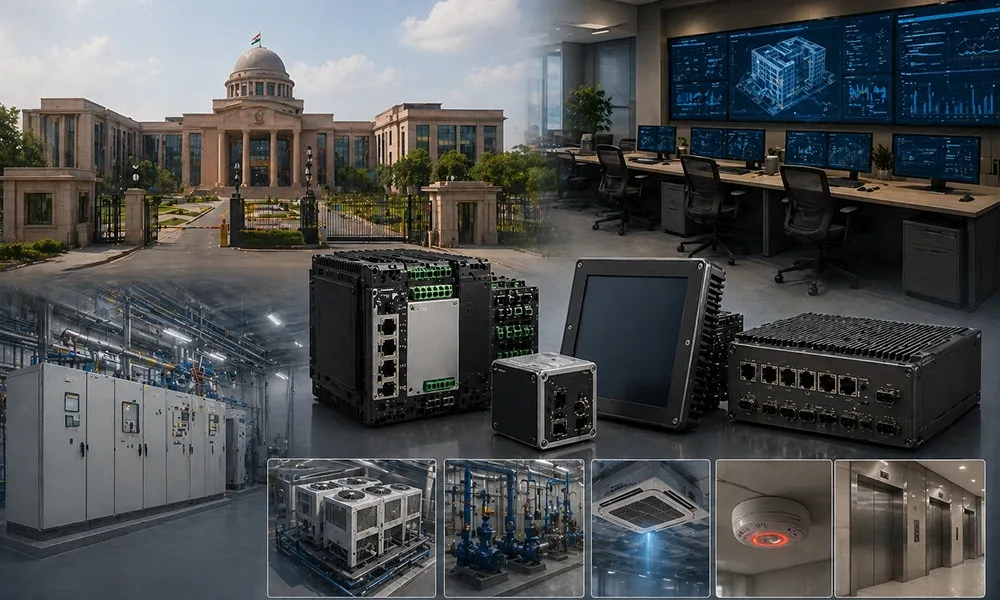
Public sector and government facilities require robust, scalable, and efficient infrastructure systems to support continuous operations, public service delivery, and regulatory compliance. These buildings—including administrative offices, institutional complexes, and civic infrastructure—must maintain controlled environments while optimizing energy usage, operational efficiency, and lifecycle costs.
Smart Building Management Solutions
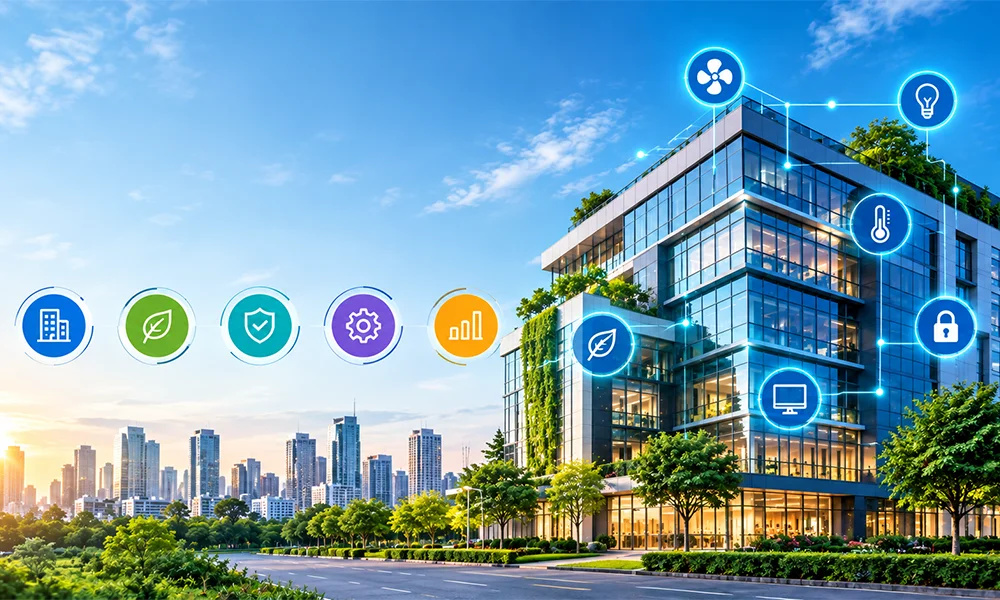
Mshriy offers comprehensive Building Management Systems (BMS) and Environmental Monitoring Systems (EMS) designed to modernize and centralize facility operations. Our solutions enable real-time monitoring and control of critical parameters such as temperature, humidity, air quality, and energy consumption across multiple zones and utilities. By integrating various building services into a unified platform, we ensure improved visibility, faster response to system deviations, and streamlined facility management.
Enhancing Reliability Through Intelligent Automation
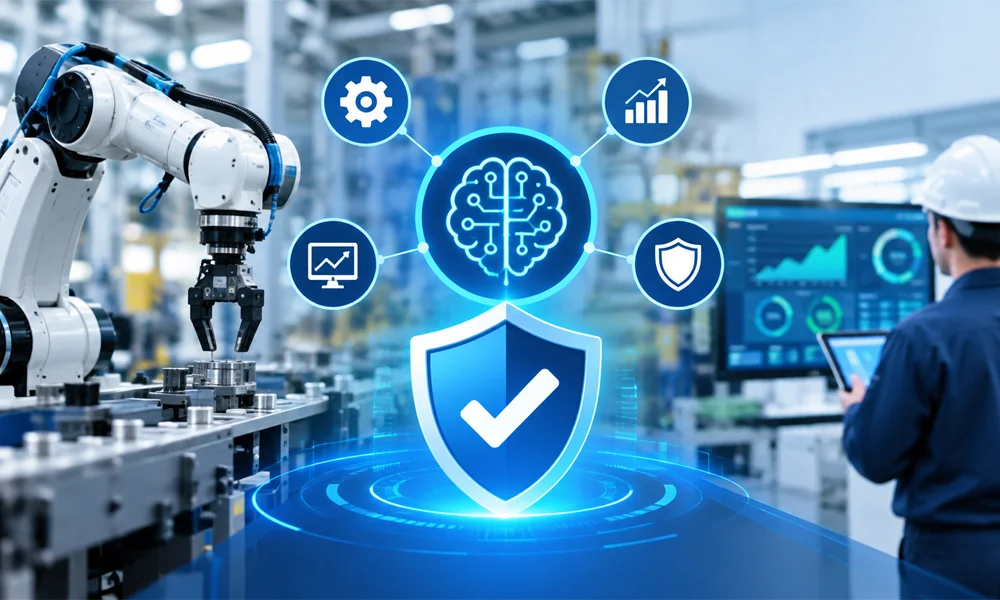
The implementation of BMS and EMS significantly enhances operational reliability, reduces manual intervention, and supports predictive maintenance strategies. Centralized data logging, alarm management, and reporting capabilities ensure transparency and assist in meeting compliance and audit requirements. These systems also contribute to energy optimization initiatives, aligning with sustainability goals and government mandates for efficient infrastructure.
Building Smarter Public Infrastructure for the Future
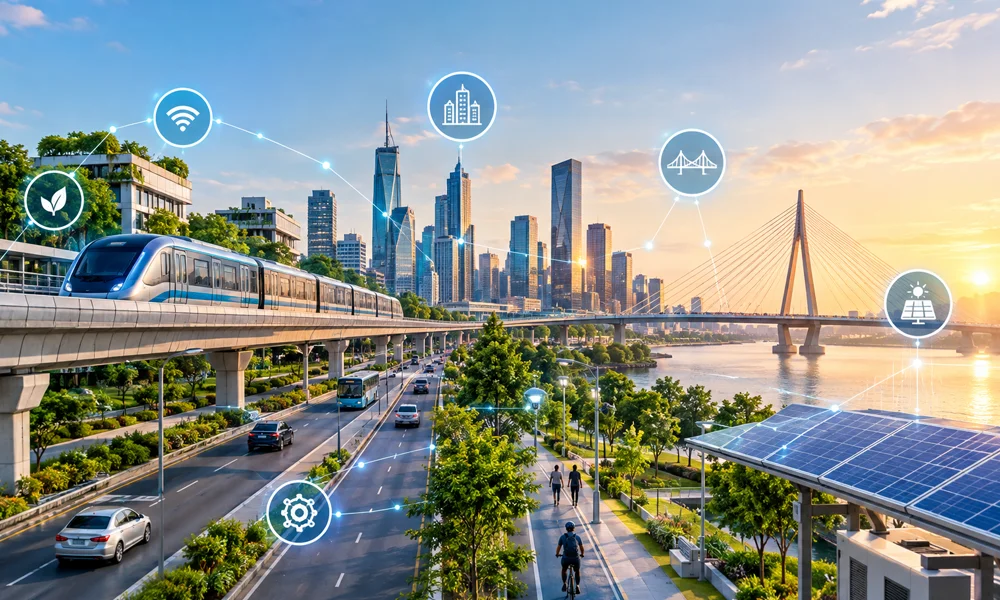
With a focus on scalability, interoperability, and long-term performance, our solutions are well-suited for large-scale public infrastructure projects and smart building initiatives. This enables government organizations to transition towards digitally enabled, energy-efficient, and intelligently managed facilities, ensuring improved service delivery and optimized operational expenditure.
Importance of Sustainable Design in Public Sector Buildings
Sustainable design is crucial for public sector and government buildings for several reasons:
Environmental Impact
Public buildings have a significant environmental footprint. Implementing sustainable practices helps reduce this impact, conserving resources and reducing pollution.
Economic Efficiency
Sustainable buildings are more cost-effective in the long run due to lower energy and water consumption, reduced maintenance costs, and improved longevity.
Public Health
Sustainable design promotes better indoor air quality and natural lighting, contributing to the health and well-being of occupants.
Regulatory Compliance
Governments are increasingly mandating sustainability standards for public buildings. Adhering to these standards is not just beneficial but often required.
Best Practices for Creating Sustainable Public Sector Buildings
Energy Efficiency
Utilize energy-efficient HVAC systems, LED lighting, and renewable energy sources like solar panels.
Water Conservation
Implement low-flow fixtures, rainwater harvesting systems, and greywater recycling.
Sustainable Materials
Use recycled, low-emission, and locally sourced materials
Waste Management
Develop comprehensive waste reduction, recycling, and disposal strategies.
Indoor Environmental Quality
Ensure proper ventilation, use non-toxic materials, and maximize natural light.
Achieving Certifications
Certifications from reputable organizations like IGBC, ISHRAE, and ASHRAE validate the sustainability of a building. Here’s how public sector buildings can achieve these certifications:
IGBC Certification
Focuses on various aspects of green building design, including site selection, water and energy efficiency, materials, and indoor environmental quality. Buildings must meet specific criteria and undergo an assessment process.
ISHRAE Certification
Emphasizes energy-efficient HVAC systems. Buildings need to implement ISHRAE’s guidelines and undergo performance assessments.
ASHRAE Certification
Provides standards for energy efficiency, indoor air quality, and sustainable design. Compliance with ASHRAE standards involves detailed planning, implementation, and periodic reviews.
Benefits of Green Building Practices in the Public Sector
Cost Savings
Reduced energy and water bills, lower maintenance costs, and potential tax benefits.
Enhanced Occupant Comfort and Productivity
Better indoor environments improve the comfort and productivity of occupants.
Environmental Responsibility
Contributes to global efforts to reduce carbon emissions and conserve resources.
Positive Public Image
Demonstrates a commitment to sustainability, enhancing public trust and reputation.
Sustainable design in public sector and government buildings is essential for environmental conservation, economic efficiency, and public health. By implementing best practices and achieving certifications, these buildings can lead the way in promoting sustainability. Mshriy is committed to supporting these initiatives, ensuring that public sector projects meet and exceed sustainability standards.
Thank you for choosing Mshriy to guide your journey towards sustainability. If you have any further questions or need assistance, feel free to contact us.
Modernize Public Infrastructure with Smart Solutions