Sector We serve

Ensuring Optimal Performance and Safety in Data Centres with RAG Monitoring, HVAC, Lighting, Fire Control, and ELV Systems 1 of the best way

Data Center Automation & Cooling Solutions

Reliable automation and environmental control solutions for mission-critical infrastructure.

Intelligent Environmental Control for Data Centers

Data centers require precise environmental control to ensure uninterrupted performance. Mshriy provides intelligent BMS and cooling automation systems.

Our solutions monitor temperature, humidity, and power usage in real time, ensuring optimal conditions for IT infrastructure and preventing downtime.

We design Smart AHU Control Panels and DDC Panels for efficient cooling and airflow management, maintaining thermal balance across server rooms.

Data-Center-Automation-Cooling-Solutions-02
Data-Center-Automation-Cooling-Solutions-03

With energy-efficient automation, we help data centers reduce operational costs while maximizing uptime.

Key Highlights:

  • Precision cooling systems
  • Real-time monitoring
  • Energy-efficient operations
  • Scalable automation

Introduction

Data centres are the backbone of our digital age, serving as the central hubs for storing, processing, and disseminating data. To ensure their optimal performance and security, various systems must work in unison. This article explores the critical components of the RAG monitoring system, HVAC control, lighting control, fire control, and ELV systems, providing a detailed understanding of their roles and benefits in data centres.

Importance of Data Centre Infrastructure

A data centre’s infrastructure is paramount to its functionality. Properly managed, it ensures operational efficiency, minimizes downtime, and protects sensitive data. By integrating advanced monitoring and control systems, data centres can achieve higher levels of performance and reliability.

Applications in Data Centers

Precision Cooling

Accurate temperature control for server rooms and IT spaces to maintain optimal operating conditions and prevent overheating.

Hot/Cold Aisle Containment

Efficient airflow management to separate hot and cold air streams, improving cooling efficiency and reducing energy consumption

Humidity Control

Maintain precise humidity levels to protect sensitive IT equipment and prevent static or condensation risks.

Power Monitoring

Real-time monitoring of electrical systems, power usage, and load distribution for improved reliability and efficiency.

UPS Integration

Seamless monitoring and control of UPS systems to ensure uninterrupted power availability and system stability.

Alarm Monitoring

Centralized alerts and fault detection for faster response and proactive issue management.

Remote Monitoring

24/7 remote visibility and control of data center systems through secure centralized platforms.

ELV Systems in Data Centres

Understanding ELV Systems

Extra Low Voltage (ELV) systems include various subsystems such as security, communication, and automation systems. These systems operate on low voltage, reducing the risk of electrical hazards.

Components of ELV Systems

ELV systems encompass CCTV, access control, public address, and building management systems. These components enhance security, communication, and operational efficiency within data centres.

Benefits of ELV Systems

Implementing ELV systems offers numerous benefits, including improved safety, enhanced communication, and better control over data centre operations. These systems are also energy-efficient and cost-effective.

Integration and Management of ELV Systems

Effective management of ELV systems requires integration with other data centre systems. This integration ensures seamless operation and enhances the overall performance and security of the facility.

HVAC Control in Data Centres

Overview of HVAC Control

Heating, Ventilation, and Air Conditioning (HVAC) systems are essential for maintaining the environmental conditions within data centres. Proper HVAC control ensures that the equipment operates within the recommended temperature and humidity ranges, preventing overheating and hardware failure.

Optimizing HVAC Performance

To optimize HVAC performance, data centres should regularly maintain and calibrate their systems. Using advanced controls and sensors can help in achieving precise environmental control, reducing the risk of equipment damage due to temperature fluctuations.

Key Components of HVAC Systems

HVAC systems in data centres typically include air handlers, chillers, cooling towers, and ductwork. These components work together to regulate temperature and humidity, ensuring a stable environment for sensitive equipment.

Energy Efficiency in HVAC Control

Energy efficiency is a critical consideration in HVAC control. Implementing energy-saving technologies and practices, such as free cooling and variable speed drives, can significantly reduce operational costs and environmental impact.

Fire Control Systems

Overview of Fire Control

Fire control systems are vital for protecting data centres from fire hazards. These systems detect and suppress fires, minimizing damage to equipment and ensuring the safety of personnel.

Integration of Fire Control in Data Centres

Integrating fire control systems with other data centre management systems enhances overall safety. This integration allows for coordinated responses to fire incidents, reducing the risk of extensive damage.

Fire Detection and Suppression Systems

Fire detection systems use smoke and heat sensors to identify fire incidents early. Suppression systems, such as gas-based and water mist systems, are then activated to extinguish the fire before it spreads.

Compliance and Safety Standards

Data centres must adhere to stringent safety standards and regulations. Ensuring compliance with these standards is crucial for maintaining operational licenses and avoiding legal penalties.

Lighting Control Systems

Importance of Lighting Control

Effective lighting control is crucial for both operational efficiency and energy savings in data centres. Proper lighting enhances visibility, supports security measures, and contributes to a safer working environment.

Types of Lighting Control Systems

Various lighting control systems are available, including manual controls, automated systems, and smart lighting solutions. Each type offers different levels of control and automation, suitable for specific data centre needs.

Smart Lighting Solutions

Smart lighting solutions integrate advanced sensors and control algorithms to optimize lighting based on occupancy and daylight availability. These systems can significantly reduce energy consumption while ensuring adequate illumination.

Energy-Saving Lighting Technologies

LED lighting, dimmers, and motion sensors are some of the energy-saving technologies used in data centres. These technologies help in reducing electricity usage, contributing to the overall sustainability of the facility.

Combining Systems for Optimal Performance

Integration Strategies

Integrating various monitoring and control systems is key to optimizing data centre performance. Strategies include using centralized management platforms and adopting open protocols for interoperability.

Benefits of Integrated Systems

Integrated systems offer comprehensive visibility and control over data centre operations. They enable proactive maintenance, improve resource utilization, and enhance overall efficiency.

Challenges in System Integration

Integrating multiple systems can be challenging due to compatibility issues and the complexity of the infrastructure. However, with careful planning and the right tools, these challenges can be effectively managed.

In the ever-evolving landscape of data centres, the integration of RAG monitoring systems, HVAC control, lighting control, fire control, and ELV systems is critical for ensuring optimal performance and safety. By understanding and implementing these systems, data centres can achieve higher efficiency, reduced downtime, and enhanced security. Staying ahead of technological advancements and adopting best practices in system integration will continue to drive the success of modern data centres.

Optimize Your Data Center Performance Today

Sector We serve

The Vital Role of Airflow Monitoring in Defence & Naval Operations 4th one is the best

Defence & Naval Automation Systems

Automation solutions for mission-critical defence and naval infrastructure.

Mission-Critical Automation for Defence & Naval Facilities

Defence and naval infrastructure demands highly reliable and secure automation systems. Mshriy  delivers robust BMS solutions designed for mission-critical operations.

Our systems enable centralized monitoring of HVAC, power, and environmental conditions across defence bases and naval facilities, ensuring uninterrupted performance.

We provide rugged DDC Panels and automation systems designed to operate in extreme conditions while maintaining precise environmental control.

Defence-Naval-Automation-Systems-01
Defence-Naval-Automation-Systems-02

 Our solutions enhance operational readiness, security, and efficiency in defence environments.

Key Highlights:

  • Secure BMS systems
  • Rugged industrial panels
  • Mission-critical automation
  • High reliability performance

Applications in Defence & Naval

Avionics Cooling

Precision cooling and ventilation for avionics rooms and sensitive electronic equipment to ensure stable and reliable operation.

Radar Systems

Environmental and HVAC control for radar rooms to maintain optimal temperature, humidity, and equipment performance.

Communication Systems

Reliable cooling and monitoring for communication hubs, data rooms, and secure networking facilities.

Command Centers

Centralized automation and monitoring to maintain stable environmental conditions for continuous 24/7 operations.

Power Backup Systems

Monitoring and control of UPS, DG sets, and electrical systems to ensure uninterrupted power availability.

HVAC Control

Integrated HVAC automation for defence facilities, ships, and support buildings to ensure efficiency and reliability.

Our Role

We deliver secure and dependable automation solutions that ensure reliability, safety, and uninterrupted mission-critical operations.

Technologies Used in Airflow Monitoring

Anemometers

Anemometers are commonly used to measure airflow speed and direction. In defence applications, these devices help monitor the ventilation systems of ships and submarines, ensuring that the airflow is within the desired parameters.

Differential Pressure Sensors

These sensors measure the pressure difference between two points, which is directly related to airflow. In naval applications, differential pressure sensors are used to monitor and control the airflow in ventilation systems, ensuring the removal of contaminants and maintaining air quality.

Thermal Anemometers

Thermal anemometers use heat to measure airflow speed. These are particularly useful in environments where traditional anemometers might not work effectively due to turbulent or very low-speed airflow. In defence, they are used in various applications, including the monitoring of cleanrooms and other controlled environments.

Advanced Control Systems

Modern airflow monitoring systems often integrate advanced control mechanisms that can automatically adjust airflow based on real-time data. These systems use a combination of sensors and software to maintain optimal conditions, enhancing both safety and performance.

Applications of Airflow Monitoring in Defence

Submarine Ventilation Systems

In submarines, maintaining optimal airflow is crucial due to the enclosed environment. Airflow monitoring systems ensure that the air remains breathable, free of contaminants, and at the right humidity levels. This is critical for the health and efficiency of the crew, as well as the proper functioning of sensitive equipment.

Missile Systems

Missile systems require precise environmental conditions to function correctly. Airflow monitoring ensures that these systems do not overheat and that the internal environment remains within the specified parameters. This reliability is essential for the successful deployment and operation of missile systems.

Aircraft Environmental Control Systems

Military aircraft operate in diverse and often extreme environments. Airflow monitoring within these aircraft ensures that the environmental control systems maintain the right temperature and air quality, crucial for both the pilots’ and equipment’s performance.

Ship Ventilation

On naval ships, proper airflow is necessary for the comfort and safety of the crew, as well as the maintenance of onboard equipment. Monitoring systems ensure that air is circulated properly throughout the ship, preventing the buildup of hazardous gases and maintaining air quality.

Challenges in Airflow Monitoring

Environmental Factors

Defence and naval environments are often subject to extreme conditions, such as high humidity, temperature variations, and exposure to corrosive substances. These factors can impact the accuracy and reliability of airflow monitoring systems. Developing robust systems that can withstand these conditions is a significant challenge.

Integration with Existing Systems

Integrating modern airflow monitoring systems with existing military infrastructure can be complex. Ensuring compatibility and seamless operation without disrupting current systems requires careful planning and execution.

Data Security

In military applications, data security is paramount. Airflow monitoring systems must ensure that the data they collect and transmit is secure from potential cyber threats. This involves implementing advanced encryption and secure communication protocols.

Future Trends in Airflow Monitoring

IoT and Smart Sensors

The integration of Internet of Things (IoT) technologies is revolutionizing airflow monitoring. Smart sensors connected to a central network can provide real-time data and enable predictive maintenance. This allows for proactive management of airflow systems, reducing downtime and enhancing reliability.

Artificial Intelligence

Artificial intelligence (AI) is playing an increasingly significant role in the analysis and optimization of airflow. AI algorithms can analyze large datasets to identify patterns and predict potential issues before they become critical. This proactive approach can significantly enhance the efficiency and reliability of military operations.

Enhanced Materials and Design

Advancements in materials science are leading to the development of more durable and efficient airflow monitoring systems. These new materials can withstand harsh environments and provide more accurate and reliable measurements.

Airflow monitoring in defence and naval operations is a critical component for maintaining safety, efficiency, and performance. With the advancement of technologies such as IoT, AI, and enhanced materials, the future of airflow monitoring looks promising. By understanding the importance, challenges, and applications of these systems, military operations can continue to improve and adapt to the ever-evolving demands of modern warfare.

Powering Defence Infrastructure with Smart Control

Sector We serve

Boost Pharmaceutical Safety and Efficiency with a Cutting-Edge Clean Room Monitoring System 2

Pharmaceutical & Life Science Automation Solutions

Precision Environmental Control for Regulated & Research Environments.

Control Every Parameter & Assure Every Batch.

Mshriy delivers advanced automation solutions for pharmaceutical facilities, cleanrooms, laboratories, and production areas. Built on BACnet, Modbus, and IoT-enabled technologies, our systems provide seamless integration, real-time monitoring, and precise control of temperature, humidity, differential pressure, and air quality—ensuring compliance, reliability, and operational excellence in critical environments.

Pharmaceutical-Life-Science-Automation-Solutions-1
Pharmaceutical-Life-Science-Automation-Solutions-03

Key Highlights

  • End-to-end clean room automation solution
  • EMS + Display + DDC + BMS integration
  • BACnet, Modbus, and IoT-enabled systems
  • Real-time monitoring, alarms, and reporting
  • Designed for GMP and regulated environments

Monitoring, Control & Reporting

  • All systems are integrated into a central BMS platform, where:
  • Operators can monitor live data from all clean rooms and equipment
  • Historical trends and reports are generated for audits and compliance
  • Alarm systems notify deviations instantly
  • Data is logged for validation and regulatory requirements
  • This ensures complete transparency, traceability, and operational control.
Pharmaceutical-Life-Science-Automation-Solutions-04

Integrated System Architecture

  • Our solution is designed as a complete ecosystem, combining monitoring, control, and visualization:
  • Environmental Monitoring System (EMS) continuously tracks parameters like temperature, humidity, and differential pressure
  • Clean Room Display Panels provide real-time visual indication of conditions at each room or zone
  • DDC Panels (Direct Digital Controllers) act as the core control units, processing inputs and controlling AHUs, dampers, and other field devices
  • Smart AHU Control Panels regulate airflow, filtration, and ventilation based on system requirements
  • Central BMS Workstation (PC-based) enables operators to monitor all systems, view trends, generate reports, and manage alarms from a single interface
  • This integrated approach ensures real-time visibility, precise control, and complete traceability across the facility.

Critical Applications in Pharma & Life Science

Oncology (Onco) Facilities

Strict containment and pressure cascade control using DDC-based systems, ensuring safe handling of hazardous drug compounds.

Sterile Injection Facilities

High-precision environmental control with continuous EMS monitoring and clean room display integration for maintaining sterile conditions.

Vaccine Manufacturing Plants

Temperature-controlled environments with real-time data logging and centralized BMS reporting for compliance and audit readiness.

Bulk Drug Manufacturing

Robust HVAC and automation systems ensuring stable environmental conditions across large-scale production areas.

Formulation Plants

Accurate control of processing environments with integrated AHU and DDC systems to maintain product consistency.

R&D Laboratories

Flexible monitoring and control systems enabling precise environmental conditions for research and testing applications.

Build Intelligent, Compliant Pharma & Life Science Facilities with Complete Automation

Sector We serve

Revolutionizing Aeronautics with HVAC and Automation 4th one is the best eye-opening

Aviation Infrastructure Automation Solutions

Precision Automation for High-Performance Aerospace Environments.

Intelligent Building Automation for Aviation Infrastructure

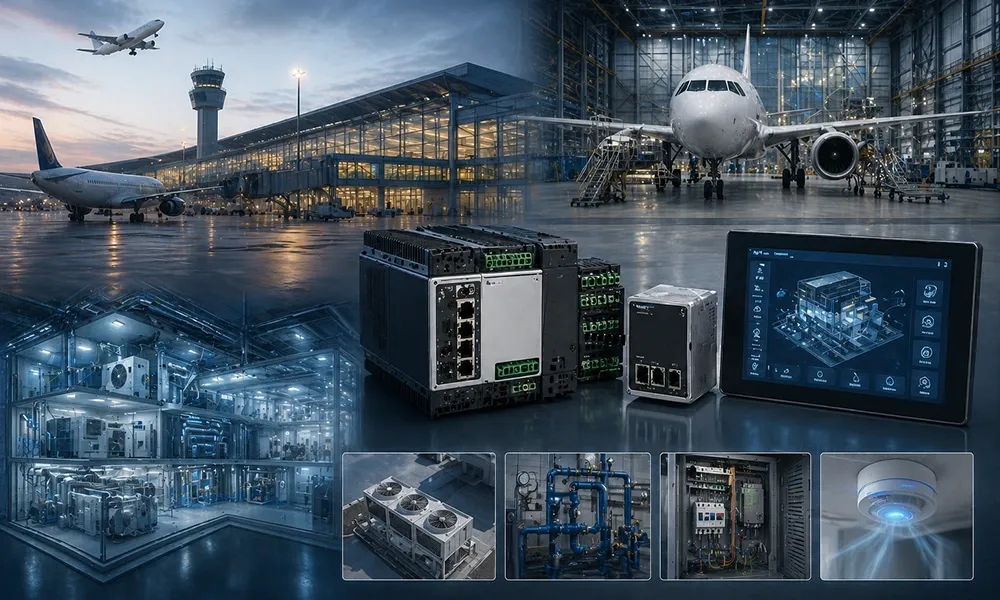
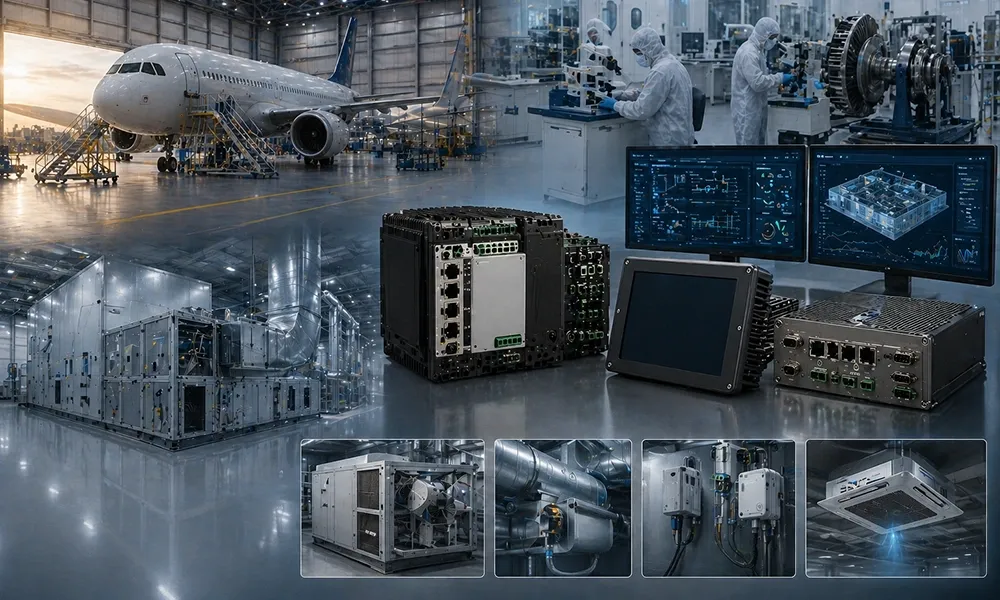
Modern aviation infrastructure demands precision, reliability, and intelligent environmental control. Mshriy delivers advanced building automation solutions for airport facilities, aircraft hangars, and aerospace manufacturing environments.

Our systems are built on open protocols such as BACnet, Modbus, and MQTT, ensuring seamless integration across diverse building systems. With IoT-enabled controllers and edge devices, we provide real-time monitoring, data acquisition, and centralized control of critical infrastructure.

Aviation-Infrastructure-Automation-Solutions-01
Aviation-Infrastructure-Automation-Solutions-02

Precision Environmental Control for Mission-Critical Aviation

In environments where sensitive aircraft components and high-value equipment are handled, our solutions ensure precise control over temperature, humidity, air quality, and differential pressure. This guarantees product integrity, operational safety, and compliance with stringent industry standards.

Leveraging intelligent automation and data-driven analytics, our systems enable predictive maintenance, fault detection, and performance optimization. Our integrated BMS, Smart AHU Control Panels, and DDC-based architecture deliver scalable, secure, and future-ready solutions for mission-critical aviation facilities.

Our Technology

At Mshriy, we design systems using industry-leading technologies to ensure flexibility, scalability, and long-term performance.

Open Communication Protocols

  • BACnet (IP & MS/TP)
  • Modbus (RTU & TCP/IP)
  • MQTT (IoT-based communication)

Smart & IoT-Enabled Systems

  • Real-time monitoring & remote access
  • Cloud-ready architecture
  • Edge-based data processing

Intelligent Control & Analytics​

  • Predictive maintenance
  • Fault detection & diagnostics
  • Energy optimization algorithms

System Integration

  • HVAC, AHU, and ventilation systems
  • Clean room & critical environment monitoring
  • Energy management systems

Upgrade Your Aerospace Facility with Smart Automation