Sector We serve

Semiconductors

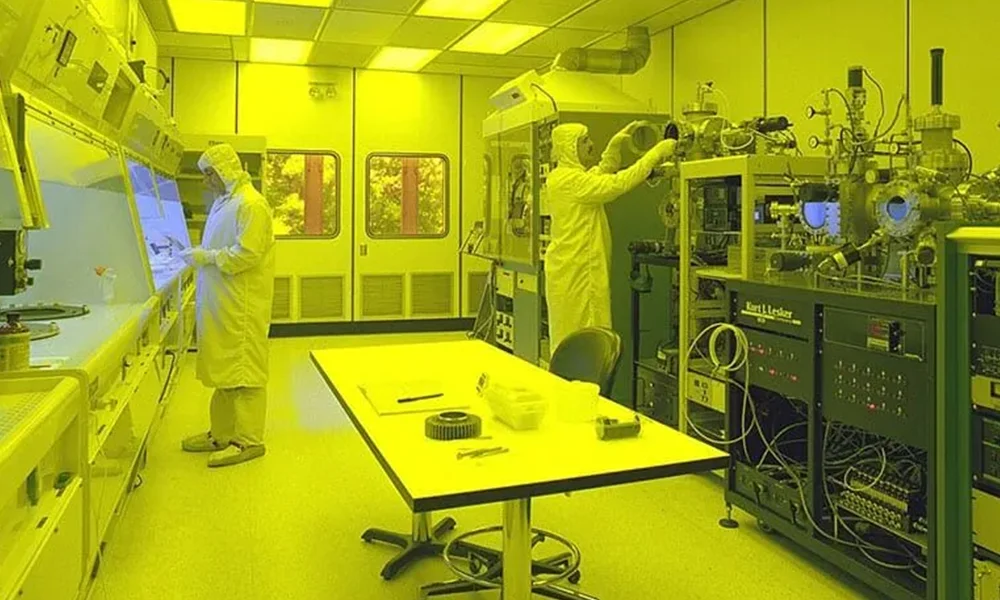
Semiconductor Facility Integration

Zero-tolerance environmental control across the manufacturing lifecycle.

The Zero-Tolerance Mandate

A single fluctuation in temperature, humidity, or particulates destroys a wafer batch.

Critical Fab Subsystems

Air Handling (MAHU & RCAHU)
Dynamic fan staging balances fresh make-air handling Unit and recirculated cleanroom air handling unit.

Ultrapure Water (UPW)
Real-time TOC, dissolved oxygen, and resistivity loop monitoring.

Front-End Automation

Wafer Prep

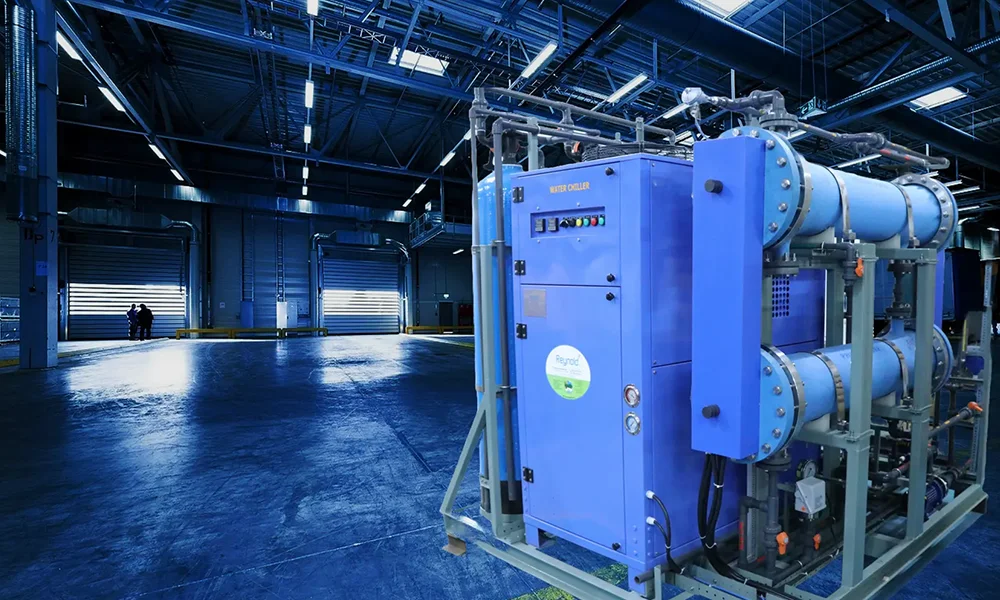
Precision chiller plants and structural vibration monitoring.

FEOL Litho

±0.1°C Sub-Fab HVAC limits and HEPA pressure cascades.

BEOL Metrology

Toxic gas SCADA and real-time exhaust abatement.

Back-End & Assembly Control

Wafer Sort & Test

UPS integration and automated voltage sag prevention.

Assembly Packaging

Strict ESD environment control and energy optimization.

Resilience Architectures

Life Safety & TGM

Automated shutdown and scrubber activation for hazardous gas leaks.

Microgrid Control

Seamless automated switching guarantees 100% critical tool uptime.

Semiconductor / Electronic Manufacturing

Manufacturing Stage Process Description BMS Integration & Control Area
Wafer Preparation Slicing raw silicon ingots into ultra-thin, polished wafers. Vibration & Process Cooling: Monitoring structural vibration and automating precision chiller plants for cutting/polishing equipment.
Front-End-of-Line (FEOL) Transistor formation via photolithography, Etching, Ion Implantation, and Deposition. Sub-Fab Cleanroom HVAC: Precision temperature (±0.1°C), humidity control, HEPA/ULPA filtration, and strict pressure cascades to prevent particulate contamination.
Back-End-of-Line (BEOL) Metallization; building the microscopic copper/aluminum wiring to connect the transistors. Chemical & Gas Delivery (SCADA): Real-time monitoring of specialty gas flows, toxic gas leak detection, and automated exhaust abatement.
Wafer Sorting & Test Probing individual dies on the wafer for electrical defects. Power Quality Management: Uninterruptible Power Supply (UPS) integration and voltage sag monitoring to prevent data loss during continuous testing.
Assembly & Packaging Dicing the wafer, wire bonding, and encapsulating the chips into their final protective housing. General Facility Control: Standard electrostatic discharge (ESD) environment control, automated lighting, and optimized energy management.
High-Speed Diesel Semiconductor and Electronic Manufacturing Units HSD → Diesel Generator → Electrical Distribution → Critical Manufacturing Loads Automation Integration & Control: Ensures that HSD is stored, transferred, monitored, and consumed safely and efficiently, while providing operators with real-time information and maintaining accurate fuel accountability.

Important MSHRIY Role in HSD automation systems

  • Automatic Tank Level Monitoring – Continuously measures HSD tank levels and provides high/low-level alarms. (Bulk Storage Tank, Buffer Tank, Day Tank, Overflow Tank)
  • Automatic Filling Control – Monitors diesel transfer from the tanker or bulk storage system and prevents overfilling. (Decanting Unit)
  • Fuel Flow Metering – Measures the quantity of HSD transferred or consumed.
  • Automatic Pump Control – Starts/stops diesel transfer pumps according to tank level or system demand. (Transfer Pump, Pilot Pump)
  • Leak Detection – Detects possible fuel leakage from tanks, pipes, or dispensing systems.
  • Overfill Protection – Automatically stops filling when the tank reaches its maximum safe level.
  • Fuel Dispensing Automation – Controls and records diesel supplied to individual DG sets or equipment.
  • DG Fuel Monitoring – Monitors fuel consumption of diesel generators and generates consumption reports.
  • Alarm & Emergency Shutdown (ESD) – Provides alarms and automatically shuts down pumps during abnormal or hazardous conditions.
  • Redundant PLC/SCADA Integration – Enables operators to monitor tank levels, pump status, flow, alarms, and fuel consumption from a central control system.
  • Automatic Mains Failure (AMF) – Detects grid failure and automatically starts the DG and transfers the electrical load when HSD is used for diesel generators.

Semiconductor Wafer Manufacturing

Wafer Preparation

ACTION DESCRIPTION

Ingot slicing, edge grinding, and chemical-mechanical polishing (CMP) to achieve atomic-level surface flatness.

CRITICAL FACILITY CONTROL

Active vibration isolation (<0.5 µm/s) and closed-loop chilled water temperature regulation.

ENVIRONMENTAL SPECIFICATIONS

ISO Class 5 CleanroomChilled Water: 18.0°C ±0.5°CVibration: VC-E Standard

End-to-End Semiconductor Manufacturing Process

Ingot Growth & Slicing

Purified molten silicon is crystallized into a massive cylindrical “ingot.” This ingot is sliced using diamond saws into ultra-thin disks called wafers. The wafers are then polished until flawlessly smooth and mirror-like.

Photolithography

A light-sensitive liquid called photoresist is spun onto the wafer. A machine called a stepper projects ultraviolet light through a “mask” (like a stencil) containing the circuit design. The light hardens the exposed photoresist, temporarily printing the circuit pattern onto the silicon.

Etching

The wafer is exposed to liquid chemicals or plasma gases. The areas protected by the hardened photoresist remain untouched, while the unprotected areas are etched away to create 3D microscopic trenches and gates in the silicon. The remaining photoresist is then washed off.

Ion Implantation (Doping)

The wafer is bombarded with beams of charged ions (like boron or phosphorus). These ions embed themselves into specific exposed areas of the silicon, altering its conductivity so it can act as an electrical switch (a transistor).

Deposition and Metallization

Layers of insulating materials and metals (like copper or aluminum) are deposited onto the wafer. Using repeated lithography and etching steps, these metals are patterned into microscopic wires that connect the billions of individual transistors together into a functioning circuit.

Probing, Dicing, and Packaging

Once all layers are built, electronic probes test each individual “die” (chip) on the wafer for defects. The wafer is then cut apart using precision lasers or saws. The working chips are encapsulated in plastic or ceramic packaging, ready to be mounted onto circuit boards.
Sector We serve

Hospitality

Hospitality

Intelligent automation and control solutions designed to enhance guest comfort, operational efficiency, and energy performance.

Intelligent Automation for Hospitality Facilities

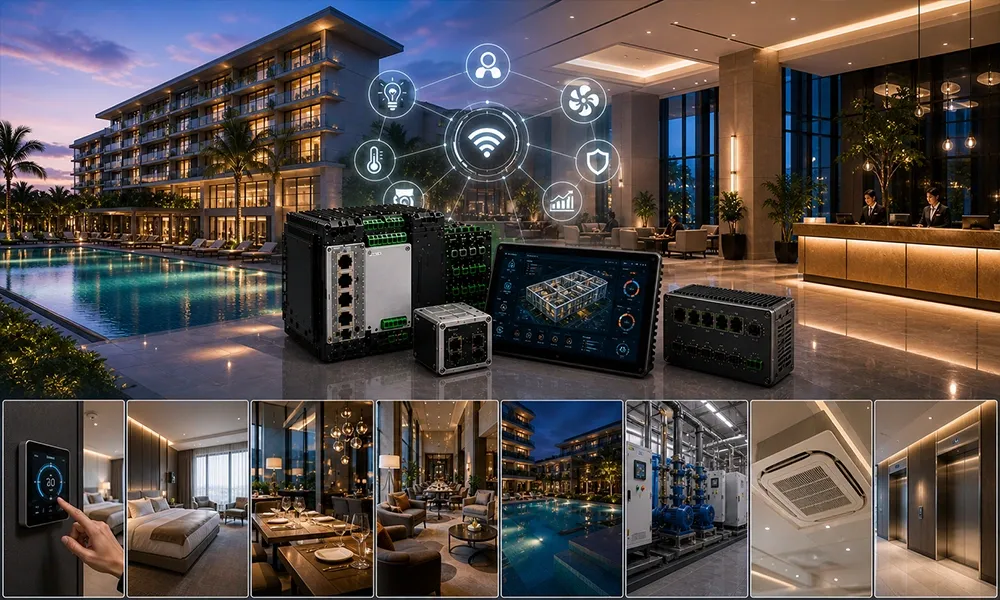
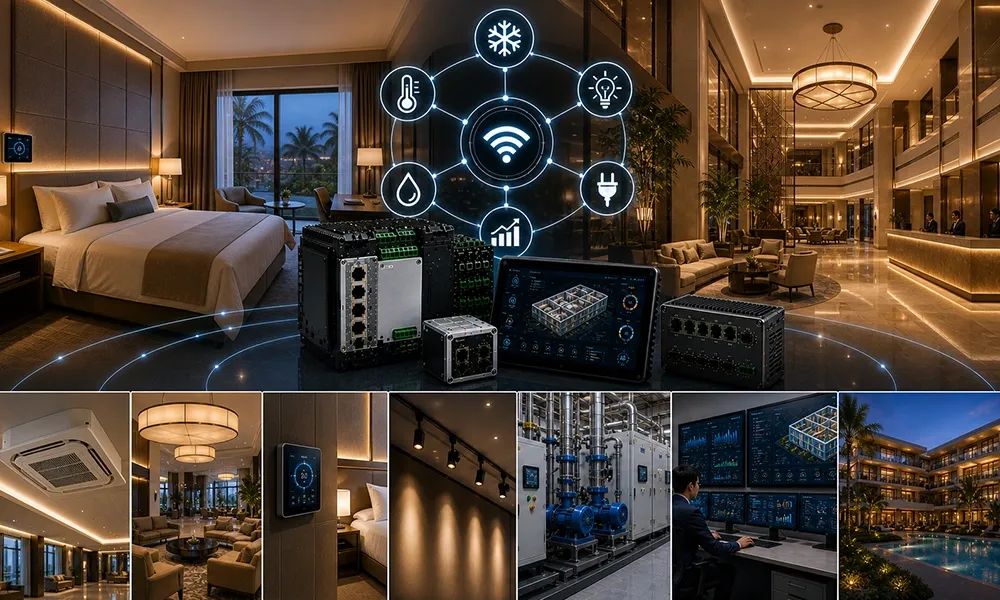
Hospitality facilities require intelligent environments that balance guest comfort, ambiance, and operational efficiency. Mshriy delivers smart automation solutions designed for hotels, resorts, and commercial hospitality spaces.

Hospitality-01
Hospitality-02

Smart Building Management for Enhanced Guest Experiences

Our systems are built on BACnet, Modbus, and IoT-enabled architecture, enabling seamless integration of HVAC, lighting, utilities, and centralized building management platforms. We ensure optimized temperature control, energy-efficient lighting, and real-time monitoring to create comfortable guest experiences while reducing operational costs. From guest rooms to common areas and back-end utilities, our solutions help hospitality facilities operate efficiently, sustainably, and reliably.

Applications in Hospitality Systems

HVAC & Climate Control

Maintain comfortable temperature, humidity, and air quality across guest rooms and common areas. Smart automation adjusts systems based on occupancy and outdoor conditions to improve comfort and reduce energy use.

Lighting Control Systems

Automate lighting using occupancy sensors, daylight control, and scheduling. Enhance ambiance while lowering energy consumption and maintenance costs.

Energy Management

Monitor and optimize energy usage across HVAC, lighting, and electrical systems. Real-time insights help reduce operational costs and improve sustainability.

Centralized Building Management

Control and monitor all building systems from a single BMS platform. Enable real-time alerts, remote access, and efficient facility operations.

Guest Comfort Automation

Provide seamless control of room temperature, lighting, and ventilation. Occupancy-based automation improves guest experience while saving energy.

Utility Monitoring

Track water, electricity, and other utilities in real time. Detect wastage early and ensure efficient resource management across the property.

Our Role

We deliver integrated automation solutions that enhance comfort, improve efficiency, and ensure reliable performance across hospitality environments.

Sector We serve

Sustainable Design for Public Sector and Government Buildings

Government & Public Infrastructure Automation

Integrated Building Management & Monitoring Solutions for Smart Infrastructure.

Intelligent Infrastructure for Government & Public Sector Facilities

Public sector and government facilities require robust, scalable, and efficient infrastructure systems to support continuous operations, public service delivery, and regulatory compliance. These buildings—including administrative offices, institutional complexes, and civic infrastructure—must maintain controlled environments while optimizing energy usage, operational efficiency, and lifecycle costs.

Government-Public-Infrastructure-Automation-01

Smart Building Management Solutions

Mshriy offers comprehensive Building Management Systems (BMS) and Environmental Monitoring Systems (EMS) designed to modernize and centralize facility operations. Our solutions enable real-time monitoring and control of critical parameters such as temperature, humidity, air quality, and energy consumption across multiple zones and utilities. By integrating various building services into a unified platform, we ensure improved visibility, faster response to system deviations, and streamlined facility management.

Enhancing Reliability Through Intelligent Automation

The implementation of BMS and EMS significantly enhances operational reliability, reduces manual intervention, and supports predictive maintenance strategies. Centralized data logging, alarm management, and reporting capabilities ensure transparency and assist in meeting compliance and audit requirements. These systems also contribute to energy optimization initiatives, aligning with sustainability goals and government mandates for efficient infrastructure.

Building Smarter Public Infrastructure for the Future

With a focus on scalability, interoperability, and long-term performance, our solutions are well-suited for large-scale public infrastructure projects and smart building initiatives. This enables government organizations to transition towards digitally enabled, energy-efficient, and intelligently managed facilities, ensuring improved service delivery and optimized operational expenditure.

Importance of Sustainable Design in Public Sector Buildings

Sustainable design is crucial for public sector and government buildings for several reasons:

Environmental Impact

Public buildings have a significant environmental footprint. Implementing sustainable practices helps reduce this impact, conserving resources and reducing pollution.

Economic Efficiency

Sustainable buildings are more cost-effective in the long run due to lower energy and water consumption, reduced maintenance costs, and improved longevity.

Public Health

Sustainable design promotes better indoor air quality and natural lighting, contributing to the health and well-being of occupants.

Regulatory Compliance

Governments are increasingly mandating sustainability standards for public buildings. Adhering to these standards is not just beneficial but often required.

Best Practices for Creating Sustainable Public Sector Buildings

Energy Efficiency

Utilize energy-efficient HVAC systems, LED lighting, and renewable energy sources like solar panels.

Water Conservation

Implement low-flow fixtures, rainwater harvesting systems, and greywater recycling.

Sustainable Materials

Use recycled, low-emission, and locally sourced materials

Waste Management

Develop comprehensive waste reduction, recycling, and disposal strategies.

Indoor Environmental Quality

Ensure proper ventilation, use non-toxic materials, and maximize natural light.

Achieving Certifications

Certifications from reputable organizations like IGBC, ISHRAE, and ASHRAE validate the sustainability of a building. Here’s how public sector buildings can achieve these certifications:

IGBC Certification

Focuses on various aspects of green building design, including site selection, water and energy efficiency, materials, and indoor environmental quality. Buildings must meet specific criteria and undergo an assessment process.

ISHRAE Certification

Emphasizes energy-efficient HVAC systems. Buildings need to implement ISHRAE’s guidelines and undergo performance assessments.

ASHRAE Certification

Provides standards for energy efficiency, indoor air quality, and sustainable design. Compliance with ASHRAE standards involves detailed planning, implementation, and periodic reviews.

Benefits of Green Building Practices in the Public Sector

Cost Savings

Reduced energy and water bills, lower maintenance costs, and potential tax benefits.

Enhanced Occupant Comfort and Productivity

Better indoor environments improve the comfort and productivity of occupants.

Environmental Responsibility

Contributes to global efforts to reduce carbon emissions and conserve resources.

Positive Public Image

Demonstrates a commitment to sustainability, enhancing public trust and reputation.

Sustainable design in public sector and government buildings is essential for environmental conservation, economic efficiency, and public health. By implementing best practices and achieving certifications, these buildings can lead the way in promoting sustainability. Mshriy is committed to supporting these initiatives, ensuring that public sector projects meet and exceed sustainability standards.Thank you for choosing Mshriy to guide your journey towards sustainability. If you have any further questions or need assistance, feel free to contact us.

Modernize Public Infrastructure with Smart Solutions

Sector We serve

The Revolutionary OT Room Surgeon Control Panel: Elevating Surgical Precision 1

Smart Solutions for Modern Hospitals

Safe, Comfortable & Controlled Healthcare Environments.

Smart Environmental Management for Hospitals

Hospitals are environments where safety, precision, and consistency are critical to patient care. Maintaining the right temperature, air quality, and pressure is essential, especially in sensitive areas like operation theatres, ICUs, and isolation rooms. Even small variations can impact infection control and overall patient safety, making it important to have systems that ensure stable and reliable conditions at all times.

Smart-Solutions-for-Modern-Hospitals-01
Smart-Solutions-for-Modern-Hospitals-02

Intelligent Solutions for Smarter Hospital Operations

Mshriy delivers intelligent solutions that help hospitals maintain these controlled environments with ease and confidence. With user-friendly interfaces like OT Consoles inside operation theatres and clear display systems outside critical rooms, medical and support staff can easily stay informed and in control without depending on complex manual processes. These systems are designed to simplify daily operations while ensuring that critical conditions are always maintained.

Delivering Safer, Smarter Healthcare Environments

By combining real-time monitoring, centralized visibility, and dependable system performance, hospitals can reduce risks, respond quickly to changes, and maintain a consistently safe environment for both patients and healthcare professionals. The result is a facility that not only meets operational needs but also supports better care, improved safety standards, and a more efficient healthcare experience overall.

Smart-Solutions-for-Modern-Hospitals-03

Innovative Technologies Behind the OT Room Surgeon Control Panel

The OT room surgeon control panel leverages cutting-edge technologies to deliver its comprehensive suite of features. These technologies include:

  • Artificial Intelligence (AI): AI algorithms analyze data in real-time, providing surgeons with actionable insights and predictive analytics to enhance decision-making.
  • Internet of Things (IoT): IoT connectivity allows the control panel to integrate with various surgical instruments and devices, creating a cohesive operating environment.
  • Augmented Reality (AR): AR technology can overlay critical information onto the surgeon’s field of view, offering visual guidance and reducing cognitive load.
  • Cloud Computing: Cloud-based data storage and processing enable seamless access to patient records and surgical data, ensuring that surgeons have the information they need at their fingertips.

Key Features of the OT Room Surgeon Control Panel

The OT room surgeon control panel boasts a myriad of features designed to facilitate surgical procedures. These include:

  • Intuitive Interface: The control panel’s user-friendly interface ensures that surgeons can easily navigate and operate various functions without any distractions.
  • Integrated Controls: From lighting and climate control to managing surgical instruments and patient data, the control panel offers integrated controls that centralize operations.
  • Real-Time Monitoring: The panel provides real-time monitoring of vital signs and other critical patient data, allowing surgeons to make informed decisions promptly.
  • Customizable Settings: Surgeons can customize the panel’s settings to suit specific procedures and personal preferences, ensuring an optimized working environment.
  • Voice-Activated Commands: Advanced voice recognition technology enables surgeons to operate the control panel hands-free, enhancing sterility and efficiency.

Benefits of Implementing the OT Room Surgeon Control Panel

he implementation of an OT room surgeon control panel brings numerous benefits to both medical professionals and patients. Some of the key advantages include:

  • Enhanced Precision: With centralized control, surgeons can make precise adjustments to the operating environment, minimizing the risk of errors.
  • Improved Efficiency: The streamlined interface and integrated controls reduce the time spent managing equipment and settings, allowing surgeons to focus on the procedure.
  • Increased Safety: Real-time monitoring and hands-free operation reduce the risk of contamination and ensure a sterile environment.
  • Better Patient Outcomes: By optimizing the surgical environment and improving the precision of procedures, the control panel contributes to better patient outcomes.
  • Reduced Fatigue: Customizable settings and an intuitive interface help reduce surgeon fatigue, leading to more consistent performance throughout long procedures.

Understanding the OT Room Surgeon Control Panel

The OT room surgeon control panel is an advanced interface that allows surgeons to manage and control various aspects of the operating room environment. From lighting and temperature to surgical equipment and patient data, this control panel integrates multiple functionalities into a single, user-friendly system. By providing seamless control over the operating theater, it empowers surgeons to focus on the procedure, enhancing both efficiency and safety.

Download OT Room Surgeon Control Panel Catalog

Access detailed information on the OT Room Surgeon Control Panel, tailored for seamless operation and critical controls in surgical environments. Download the product catalog to explore features, technical specifications, and integration options designed to enhance safety, efficiency, and ease of use in operating rooms. Click below to view the full catalog and learn how this solution can optimize your facility.

Sector We serve

Optimizing the Access and Security Control System of Retail and Consumer Stores 1 of worst way

Optimizing the Access and Security Control System of Retail and Consumer Stores

In today’s dynamic retail environment, ensuring the security of assets and the safety of customers has become paramount. The access and security control system of retail and consumer stores plays a critical role in achieving these goals. This comprehensive guide delves into the essential components, benefits, and strategies for implementing an effective security system in retail settings.

Introduction

In the ever-evolving landscape of data centres, the integration of RAG monitoring systems, HVAC control, lighting control, fire control, and ELV systems is critical for ensuring optimal performance and safety. By understanding and implementing these systems, data centres can achieve higher efficiency, reduced downtime, and enhanced security. Staying ahead of technological advancements and adopting best practices in system integration will continue to drive the success of modern data centres.

Access and Security Control System of Retail and Consumer Stores

The access and security control system of retail and consumer stores is a multi-faceted approach that combines technology, strategy, and human intervention. By understanding the importance of these systems and implementing best practices, retailers can protect their assets, ensure customer safety, and improve operational efficiency.

The Importance of an Access and Security Control System

An efficient access and security control system is indispensable for any retail business. It serves multiple purposes:

– Preventing Theft: A robust security system deters shoplifters and internal theft, protecting valuable inventory.

– Enhancing Customer Safety: Ensuring a safe shopping environment builds trust and improves customer satisfaction.

– Managing Employee Access: Controlling who can access different areas of the store helps prevent unauthorized entry and internal theft.

– Monitoring Activity: Surveillance systems help in monitoring customer and employee behavior, providing valuable insights for improving store operations.

Components of a Retail Security System

Surveillance Cameras

Surveillance cameras are the backbone of any retail security system. They provide real-time monitoring and recording of store activities, helping deter theft and provide evidence if a crime occurs.

Access Control Systems

These systems regulate who can enter certain areas of the store. Technologies such as key cards, biometric scanners, and PIN codes are commonly used to manage access.

Alarm Systems

Alarm systems are essential for detecting unauthorized entry. They can be linked to doors, windows, and display cases, triggering alerts in case of a breach.

Inventory Management Systems

These systems help track inventory levels and movements. Integrated with RFID tags and barcodes, they can alert staff to potential theft or inventory discrepancies.

Employee Identification and Monitoring

ID badges and tracking systems help manage and monitor employee movements within the store, ensuring that only authorized personnel access sensitive areas.

Implementing an Effective Security Strategy

Conducting a Risk Assessment

Before implementing a security system, conducting a thorough risk assessment is crucial. Identify vulnerable areas, potential threats, and specific needs of your store to tailor the security system accordingly.

Selecting the Right Technology

Choose security technologies that align with your store’s requirements. Consider factors such as store size, layout, and the nature of the merchandise when selecting cameras, alarm systems, and access control solutions.

Integrating Systems for Comprehensive Coverage

Integrating various security systems ensures comprehensive coverage and efficient monitoring. For example, linking surveillance cameras with alarm systems can provide real-time alerts and visual verification of security breaches.

Training Staff

Proper training ensures that employees are familiar with the security protocols and know how to respond in case of an emergency. Regular training sessions and drills can improve preparedness and response times.

Regular Maintenance and Upgrades

Regular maintenance of security equipment ensures that all systems function correctly. Stay updated with the latest security technologies and upgrade systems periodically to address evolving security threats.

Enhancing Customer Experience Through Security

Creating a Safe Shopping Environment

Visible security measures reassure customers that their safety is a priority. This enhances their shopping experience and encourages repeat visits.

Reducing Checkout Time

Security systems integrated with POS systems can reduce checkout times by quickly verifying transactions and detecting potential fraud.

Personalizing Customer Interactions

Advanced security systems can help gather customer data, allowing retailers to personalize interactions and improve customer service.

Challenges in Implementing Retail Security Systems

Balancing Security and Customer Privacy

Implementing robust security measures must be balanced with respecting customer privacy. Clear communication about security policies and the purpose of data collection can help mitigate privacy concerns.

Managing Costs

While investing in advanced security systems is essential, managing costs is a challenge. Retailers must prioritize investments based on risk assessments and potential ROI.

Keeping Up with Technological Advances

The rapid pace of technological advancements in security requires retailers to stay informed and continually update their systems to stay ahead of threats.

Future Trends in Retail Security

The Rise of IoT in Security

The Internet of Things (IoT) is revolutionizing retail security by enabling interconnected devices that provide real-time data and enhanced control over security systems.

Cybersecurity Integration

With the increasing digitization of retail operations, integrating cybersecurity measures to protect against data breaches and cyber-attacks is becoming crucial.

Enhanced Customer Analytics

Security systems are increasingly being used to gather customer data and provide insights into shopping behavior, helping retailers improve their marketing and sales strategies.

The access and security control system of retail and consumer stores is an essential component of modern retail management. By leveraging advanced technologies, implementing effective strategies, and fostering a security-conscious culture, retailers can safeguard their assets, ensure customer safety, and enhance the overall shopping experience. Investing in a robust security system is not just about preventing theft; it’s about creating a secure, welcoming environment that fosters trust and encourages business growth.

Sector We serve

IAQ Monitoring & Access and Security Control System of Banking & Finance Houses 1

IAQ Monitoring & Access and Security Control System of Banking & Finance Houses

In today’s financial landscape, ensuring the safety, health, and security of both employees and clients is paramount. This is especially true for banking and finance houses, where the protection of sensitive information and the well-being of staff and customers are critical. Integrating advanced IAQ (Indoor Air Quality) monitoring systems with robust access and security control mechanisms can significantly enhance these institutions’ operational efficiency and safety. This article delves into the importance of IAQ monitoring and access and security control systems in banking and finance houses, exploring their benefits, implementation strategies, and future trends.

The Importance of IAQ Monitoring in Banking & Finance Houses

IAQ monitoring is an essential aspect of maintaining a healthy indoor environment. In banking and finance houses, where large numbers of people interact daily, ensuring good air quality can prevent the spread of airborne diseases, reduce absenteeism due to illness, and enhance overall productivity. Poor air quality can lead to various health issues, including respiratory problems, headaches, and fatigue, which can significantly impact the efficiency of employees and the satisfaction of clients.

Benefits of IAQ Monitoring

Implementing IAQ monitoring systems in banking and finance houses offers several benefits. Firstly, it helps in maintaining optimal air quality by continuously measuring pollutants like carbon dioxide, volatile organic compounds (VOCs), particulate matter, and humidity levels. Real-time data provided by these systems allows for immediate action to rectify any issues, ensuring a healthy indoor environment.

Moreover, IAQ monitoring contributes to energy efficiency. By optimizing ventilation based on real-time air quality data, banks can reduce energy consumption and operational costs. Additionally, demonstrating a commitment to health and safety can enhance the institution’s reputation, attracting environmentally conscious clients and top-tier employees.

Key Components of IAQ Monitoring Systems

Effective IAQ monitoring systems comprise several key components. Sensors are the primary devices that detect and measure various pollutants. These sensors should be strategically placed throughout the facility to ensure comprehensive monitoring. Data loggers are used to store the collected data, which can then be analyzed to identify trends and potential issues.

Another critical component is the control system, which regulates HVAC (Heating, Ventilation, and Air Conditioning) operations based on the sensor data. Advanced IAQ systems may also include alert mechanisms that notify facility managers of any deviations from acceptable air quality standards, allowing for prompt corrective actions.

Integration with Access and Security Control Systems

Integrating IAQ monitoring with access and security control systems can further enhance the safety and efficiency of banking and finance houses. Access and security control systems manage and monitor the entry and movement of individuals within the facility, ensuring that only authorized personnel have access to sensitive areas. By integrating these systems with IAQ monitoring, institutions can achieve a holistic approach to building management.

Training and Awareness

Training and awareness programs are vital for the successful implementation of IAQ monitoring and access control systems. Employees should be educated on the importance of air quality and security, as well as how to use the systems effectively. Regular training sessions can help ensure that employees are aware of any updates or changes to the systems, enhancing their overall effectiveness.

Implementing IAQ Monitoring and Access Control Systems

Implementing IAQ monitoring and access control systems in banking and finance houses requires a strategic approach. The first step is to conduct a thorough assessment of the facility to identify potential air quality issues and security vulnerabilities. Based on this assessment, a comprehensive plan can be developed to address these issues.

Choosing the right technology is critical to the success of these systems. It is essential to select sensors and control systems that are accurate, reliable, and easy to integrate with existing building management systems. Additionally, proper installation and regular maintenance are crucial to ensure the continued effectiveness of these systems.

Future Trends in IAQ Monitoring and Access Control

The future of IAQ monitoring and access control systems in banking and finance houses looks promising, with several emerging trends set to revolutionize the industry. One such trend is the increasing use of artificial intelligence (AI) and machine learning. These technologies can analyze vast amounts of data from IAQ sensors and access control systems to identify patterns and predict potential issues before they occur, allowing for proactive management.

Another emerging trend is the use of IoT (Internet of Things) devices. IoT devices can provide real-time data on air quality and security, enhancing the ability to monitor and manage these aspects remotely. Additionally, blockchain technology is being explored for its potential to enhance the security and integrity of access control systems, providing a tamper-proof record of all access events.

The integration of IAQ monitoring and access and security control systems is crucial for the safety, health, and operational efficiency of banking and finance houses. By ensuring good air quality and robust security, these institutions can protect their employees, clients, and sensitive information, ultimately enhancing their reputation and success. As technology continues to evolve, the adoption of advanced IAQ monitoring and access control systems will become increasingly essential, paving the way for a safer and more efficient future in the banking and finance sector.

Sector We serve

Clean Room Monitoring System for Life Sciences: Ensuring Optimal Control and Compliance 1of the worst

Clean Room Monitoring System for Life Sciences: Ensuring Optimal Control and Compliance

The life sciences industry is synonymous with precision, safety, and innovation. To meet stringent regulatory standards and ensure the integrity of sensitive processes, clean rooms are a critical component. At the heart of maintaining the sanctity of these environments is the clean room monitoring system. These sophisticated systems are pivotal in monitoring and controlling environmental parameters, thereby safeguarding the quality of research, development, and manufacturing activities within the life sciences sector.

What is a Clean Room Monitoring System?

A clean room monitoring system is an integrated solution designed to continuously track and manage the environmental conditions within a clean room. These conditions include temperature, humidity, pressure, particle counts, and more. By providing real-time data and alerts, these systems help ensure that the clean room environment remains within the specified limits, thereby preventing contamination and ensuring compliance with regulatory standards.

Components of a Clean Room Monitoring System

A typical clean room monitoring system comprises several key components:

  • Sensors and Detectors: These devices measure various environmental parameters such as temperature, humidity, and particle counts.
  • Data Loggers: These tools record the data collected by the sensors for analysis and reporting.
  • Control Systems: These systems manage and adjust the clean room conditions based on the data received from the sensors.
  • Alarm Systems: These provide alerts when conditions deviate from the acceptable range, allowing for prompt corrective action.
  • Software: Advanced software platforms that provide data visualization, trend analysis, and compliance reporting.

Importance of Clean Room Monitoring in Life Sciences

Ensuring Product Quality and Safety

In the life sciences industry, maintaining a contaminant-free environment is crucial for product quality and safety. Clean room monitoring systems help detect and control particles and microorganisms that could compromise the integrity of pharmaceuticals, medical devices, and other life sciences products.

Regulatory Compliance

Regulatory bodies such as the FDA, EMA, and ISO have stringent requirements for clean room environments. A robust clean room monitoring system helps organizations adhere to these standards by providing accurate and reliable data, facilitating compliance audits, and avoiding costly penalties.

Protecting Research Integrity

Research and development activities in life sciences rely on precise and controlled environments. Clean room monitoring systems ensure that experimental conditions are consistently maintained, thereby protecting the integrity of research outcomes and accelerating innovation.

Key Features of Effective Clean Room Monitoring Systems

Real-Time Monitoring and Alerts

The ability to monitor environmental conditions in real-time and receive immediate alerts is a crucial feature. This ensures that any deviations can be promptly addressed, minimizing the risk of contamination.

User-Friendly Interface

A user-friendly interface is essential for ease of use. Operators should be able to easily access, interpret, and act on the data provided by the system.

Scalability and Flexibility

Life sciences organizations require scalable and flexible monitoring solutions that can adapt to evolving needs and expanding operations. A good system should be able to accommodate additional sensors and modules as required.

Comprehensive Data Management

Effective clean room monitoring systems offer comprehensive data management capabilities, including data logging, storage, and retrieval. This allows for detailed analysis and reporting, supporting both operational efficiency and regulatory compliance.

Integration with Existing Systems

Integration with other laboratory and manufacturing systems enhances the functionality of clean room monitoring systems. This includes linking with HVAC systems, manufacturing execution systems (MES), and laboratory information management systems (LIMS).

Benefits of Implementing a Clean Room Monitoring System

Enhanced Compliance and Reporting

By continuously monitoring and recording clean room conditions, these systems facilitate compliance with regulatory requirements. They also simplify the reporting process by generating comprehensive reports that can be used during audits.

Increased Operational Efficiency

Automated monitoring systems reduce the need for manual checks, allowing staff to focus on other critical tasks. This improves overall operational efficiency and productivity.

Reduced Risk of Contamination

Early detection of deviations from specified conditions helps prevent contamination events, protecting both products and processes. This is particularly important in the production of sterile pharmaceuticals and medical devices.

Cost Savings

Preventing contamination and ensuring compliance with regulatory standards can result in significant cost savings by avoiding product recalls, regulatory fines, and production downtime.

Applications of Clean Room Monitoring Systems in Life Sciences

Pharmaceutical Manufacturing

In pharmaceutical manufacturing, clean rooms are essential to prevent contamination of drugs. Monitoring systems ensure that the environment meets the strict standards required for sterile product manufacturing.

Biotechnology Research

Biotechnology research often involves sensitive biological processes that require tightly controlled environments. Clean room monitoring systems provide the necessary oversight to maintain these conditions.

Medical Device Production

The production of medical devices, especially those that come into direct contact with patients, requires a contaminant-free environment. Monitoring systems ensure that production conditions remain optimal, safeguarding product quality and patient safety.

Clinical Laboratories

Clinical laboratories performing diagnostic tests and research rely on clean room monitoring systems to maintain the integrity of their work. This ensures accurate results and reliable data.

In the ever-evolving landscape of data centres, the integration of RAG monitoring systems, HVAC control, lighting control, fire control, and ELV systems is critical for ensuring optimal performance and safety. By understanding and implementing these systems, data centres can achieve higher efficiency, reduced downtime, and enhanced security. Staying ahead of technological advancements and adopting best practices in system integration will continue to drive the success of modern data centres.

Sector We serve

Energy Management System: Efficient Solutions for a Sustainable Future 1

Energy & Environment

Automation solutions designed to improve energy efficiency, sustainability, and environmental performance.

Intelligent Energy & Environmental Management

Energy and environmental systems today are no longer just about operation—they are about efficiency, accountability, and sustainability. Facilities are under constant pressure to reduce energy consumption, optimize performance, and meet environmental standards, all while ensuring uninterrupted operations. Without clear visibility and control, energy losses, inefficiencies, and hidden operational gaps often go unnoticed.

Energy-Management-Sustainable-Automation
Energy-Management-Sustainable-Automation-02

Intelligent Energy Monitoring & Control

Mshriy brings a smarter approach by transforming how energy and environmental conditions are monitored and managed. By creating a connected ecosystem across utilities, HVAC systems, and environmental parameters, facilities gain the ability to understand how energy is being used, where inefficiencies exist, and how performance can be improved in real time.

Enabling Smarter, More Sustainable Operations

This shift from reactive operation to intelligent energy awareness allows organizations to make informed decisions, reduce wastage, and move towards more sustainable practices. The outcome is not just better system performance, but a facility that actively contributes to energy optimization, environmental responsibility, and long-term operational efficiency.

Energy-Management-Sustainable-Automation-02

Introduction

In today’s world, the importance of managing energy consumption cannot be overstated. With the growing concern over environmental sustainability and rising energy costs, businesses and industries are turning to sophisticated Energy Management Systems (EMS) to optimize their energy use. Mshriy stands at the forefront of this technological advancement, providing cutting-edge solutions that cater to diverse energy needs.

What is an Energy Management System?

Energy Management System is an integrated approach that allows organizations to monitor, control, and optimize their energy consumption. EMS encompasses a range of tools and processes designed to collect data, analyze energy use, and implement measures to improve efficiency. By leveraging technology, businesses can significantly reduce their energy footprint and operational costs.

Applications in Energy & Environment

Energy Monitoring

Real-time tracking of energy consumption across electrical systems, HVAC, and critical equipment with analytics and reporting.

Power Management

Smart load management, peak demand control, and optimized power distribution for reliable and cost-efficient operations.

Energy Management

Monitor and optimize energy usage across HVAC, lighting, and electrical systems. Real-time insights help reduce operational costs and improve sustainability.

Centralized Building Management

Control and monitor all building systems from a single BMS platform. Enable real-time alerts, remote access, and efficient facility operations.

HVAC Optimization

Demand-based control and scheduling to improve HVAC efficiency while maintaining comfort and air quality.

Renewable Integration

Seamless integration of solar and other renewable sources with centralized monitoring and performance tracking

Environmental Monitoring

Continuous monitoring of air quality, temperature, humidity, and emissions for safety and compliance.

Utility Control

Centralized monitoring and automation of electricity, water, gas, and other utilities to reduce wastage and improve efficiency.

Our Role

We deliver intelligent automation and centralized control that improves energy efficiency, supports sustainability goals, and optimizes overall facility performance.

Benefits of Implementing an Energy Management System

Implementing an EMS brings numerous benefits, including:

  • Cost Savings: By identifying areas of excessive energy use, businesses can implement measures to reduce consumption, leading to substantial cost savings.
  • Improved Efficiency: EMS helps in optimizing the performance of energy-consuming systems, ensuring they operate at peak efficiency.
  • Sustainability: Reducing energy consumption translates to a lower carbon footprint, contributing to environmental sustainability.
  • Compliance: Many regulatory bodies mandate energy efficiency standards. An EMS helps organizations comply with these regulations.

Components of an Effective Energy Management System

An effective EMS typically includes several key components:

  • Energy Monitoring: Real-time monitoring of energy consumption to identify patterns and areas of improvement.
  • Data Analytics: Advanced analytics to process data and provide actionable insights.
  • Control Systems: Automation of energy-consuming processes to enhance efficiency.
  • Reporting Tools: Comprehensive reporting tools to track progress and demonstrate compliance with energy policies.

How Mshriy Energy Management System Stands Out

Customizable Solutions:

Tailored EMS solutions that meet the specific needs of different industries.

Advanced Analytics:

Utilization of AI and machine learning to provide deep insights into energy usage patterns.

User-Friendly Interface

Intuitive interfaces that make it easy for users to monitor and manage their energy consumption.

Scalability

Systems that grow with your business, ensuring continued efficiency and savings.

Steps to Implement an Energy Management System

Assessment

Conduct a comprehensive assessment of current energy usage.

Planning

Develop a detailed plan outlining the goals, strategies, and resources required.

Implementation

Install the necessary hardware and software components.

Monitoring

Continuously monitor energy usage to ensure the system is functioning optimally.

Optimization

Use data analytics to identify and implement further improvements.

Implementing an Energy Management System is a strategic move towards achieving energy efficiency, cost savings, and sustainability. Mshriy advanced EMS solutions offer businesses the tools they need to optimize their energy use and stay ahead in a competitive market. With a focus on innovation, reliability, and customer satisfaction, Mshriy is your partner in building a sustainable future.

Enable Innovation with Controlled Environments

Sector We serve

Enhancing Rail & Mobility with Airflow and IAQ Monitoring Systems 1 of the best

Enhancing Rail & Mobility with Airflow and IAQ Monitoring Systems

Air quality and airflow in rail and mobility systems have become paramount as we strive to create healthier, safer environments for passengers. In recent years, the importance of monitoring and managing indoor air quality (IAQ) has gained significant attention. With the rise of advanced technology, an effective airflow and IAQ monitoring system is now a critical component for modern railways and other modes of transportation. These systems not only enhance passenger comfort but also ensure compliance with health and safety standards.

Understanding the Airflow and IAQ Monitoring System

An airflow and IAQ monitoring system integrates various sensors and technologies to measure and manage the quality of air within a transportation environment. These systems monitor parameters such as temperature, humidity, carbon dioxide (CO2) levels, volatile organic compounds (VOCs), and particulate matter (PM). By continuously analyzing these factors, the system can provide real-time data, helping to maintain optimal air quality and airflow.

Importance of Airflow and IAQ in Rail & Mobility

Ensuring proper airflow and high indoor air quality in rail and mobility systems is vital for several reasons. Firstly, it directly impacts passenger health and comfort. Poor air quality can lead to respiratory issues, discomfort, and a general decline in passenger satisfaction. Secondly, it helps in maintaining compliance with health regulations and standards, which is crucial for the operation of public transportation systems. Lastly, good air quality can reduce the spread of airborne diseases, which is especially important in crowded spaces like trains and buses.

Components of an Effective Airflow and IAQ Monitoring System

Sensors

Sensors are the backbone of any IAQ monitoring system. They detect and measure various air quality parameters, providing the data needed for analysis. Common sensors include:

  • CO2 Sensors: Measure carbon dioxide levels, indicating ventilation effectiveness.
  • VOC Sensors: Detect volatile organic compounds, which can originate from cleaning products, furnishings, and other sources.
  • Particulate Matter Sensors: Measure the concentration of airborne particles, which can be harmful when inhaled.
  • Temperature and Humidity Sensors: Monitor thermal comfort and moisture levels, which can affect both air quality and passenger comfort.

Data Processing Units

Data processing units collect and analyze data from the sensors. They can trigger alerts and actions, such as adjusting ventilation systems or informing maintenance crews if air quality falls below acceptable levels.

Communication Systems

Communication systems transmit data to a central monitoring station or mobile devices, allowing for remote monitoring and management. This connectivity is essential for real-time adjustments and long-term data analysis.

User Interfaces

ser interfaces, such as dashboards or mobile apps, present the collected data in a user-friendly format. This enables operators to quickly assess air quality conditions and take necessary actions.

Benefits of Implementing Airflow and IAQ Monitoring Systems

Improved Passenger Health and Comfort

By ensuring that air quality remains within optimal levels, these systems contribute to the overall health and comfort of passengers. Clean, well-ventilated air reduces the risk of respiratory issues and enhances the travel experience.

Compliance with Regulations

Regulatory bodies have set standards for indoor air quality, particularly in public transportation. Implementing an airflow and IAQ monitoring system helps operators comply with these standards, avoiding potential fines and ensuring a safe environment for passengers.

Energy Efficiency

These systems can optimize ventilation processes, reducing energy consumption. For example, they can adjust ventilation rates based on real-time occupancy and air quality data, ensuring efficient use of resources.

Enhanced Data Collection and Analysis

Continuous monitoring provides valuable data that can be used to improve air quality management strategies. Over time, this data can reveal patterns and insights, leading to more effective interventions and better overall system performance.

Reduced Spread of Diseases

Good air quality can significantly reduce the spread of airborne diseases. This is especially critical in densely populated transportation environments, where the risk of transmission is higher.

Implementing Airflow and IAQ Monitoring in Rail & Mobility

Assessment and Planning

The first step in implementing an airflow and IAQ monitoring system is conducting a thorough assessment of the existing environment. This includes identifying critical areas, understanding passenger flow, and determining the specific air quality challenges faced by the transportation system.

Selecting Appropriate Technologies

Based on the assessment, operators can select the most suitable sensors and monitoring technologies. It’s essential to choose equipment that is reliable, accurate, and capable of withstanding the harsh conditions often found in transportation environments.

Integration with Existing Systems

The monitoring system should be integrated with existing ventilation and HVAC systems. This allows for automated adjustments based on real-time data, ensuring consistent air quality without manual intervention.

Training and Maintenance

Operators and maintenance crews should be trained on how to use the system and interpret the data it provides. Regular maintenance and calibration of sensors are crucial to ensure ongoing accuracy and reliability.

Challenges and Solutions in Airflow and IAQ Monitoring

Sensor Placement and Coverage

One of the challenges in implementing an IAQ monitoring system is ensuring that sensors are placed in optimal locations to provide comprehensive coverage. Inadequate sensor placement can result in inaccurate readings and ineffective air quality management.

Solution

Conduct a thorough site assessment to identify high-traffic areas, potential pollutant sources, and critical ventilation points. Use a combination of fixed and mobile sensors to ensure comprehensive coverage.

Data Management

Handling the large volume of data generated by IAQ sensors can be challenging. Without proper data management, valuable insights may be lost, and the system’s effectiveness can be compromised.

Solution

Implement robust data processing and analytics tools. Use cloud-based platforms for data storage and analysis to ensure scalability and accessibility. Regularly review and interpret data to identify trends and make informed decisions.

Maintenance and Calibration

Regular maintenance and calibration of sensors are essential to ensure their accuracy. However, this can be resource-intensive and may disrupt operations if not managed properly.

Solution

Develop a maintenance schedule that minimizes disruption. Use predictive maintenance tools to anticipate and address issues before they affect system performance. Consider using sensors with longer calibration intervals to reduce maintenance frequency.

Future Trends in Airflow and IAQ Monitoring for Rail & Mobility

Integration with Smart Technologies

The future of IAQ monitoring lies in the integration with smart technologies. Advanced AI and machine learning algorithms can predict air quality trends and optimize ventilation in real-time, improving efficiency and effectiveness.

Sustainable Practices

As sustainability becomes a priority, IAQ monitoring systems will play a crucial role in reducing the environmental impact of transportation systems. By optimizing energy use and improving air quality, these systems can contribute to greener, more sustainable operations.

Enhanced Passenger Engagement

Engaging passengers in air quality monitoring can enhance their experience and increase awareness. Providing real-time air quality data through mobile apps or onboard displays can empower passengers and build trust.

Collaboration and Standardization

Collaboration between transportation operators, technology providers, and regulatory bodies will be essential for the continued advancement of IAQ monitoring. Standardizing best practices and sharing data can drive innovation and improve air quality across the industry.

The implementation of an airflow and IAQ monitoring system in rail and mobility is a crucial step toward ensuring passenger health, comfort, and safety. By leveraging advanced technology and best practices, operators can create environments that are not only compliant with regulations but also optimized for energy efficiency and disease prevention. Companies like Mshriy C&E are leading the way with innovative solutions that set new standards for air quality management in transportation.

In summary, investing in an effective airflow and IAQ monitoring system is an investment in the future of rail and mobility, offering significant benefits for passengers and operators alike.

Sector We serve

The Ultimate Guide to Using an Anechoic Chamber for the Automotive Industry 1 of the best

Automotive Industry Automation Solutions

Automation solutions for automotive manufacturing, testing, and production facilities.

Smart Environmental Control for Automotive Facilities

Automotive manufacturing requires controlled environments for precision production. Mshriy delivers automation solutions that enhance productivity and quality.

Our BMS systems regulate temperature, humidity, and ventilation across production lines, ensuring consistent manufacturing conditions.

We provide Smart AHU and DDC Panels for airflow control in paint shops and assembly units, improving product finish and reducing defects.

Automotive-Industry-Automation-Solutions-01
Automotive-Industry-Automation-Solutions-02

Our solutions help automotive facilities achieve higher efficiency, reduced costs, and improved quality standards.

Key Highlights:

  • Industrial HVAC automation
  • Paint shop ventilation control
  • Smart manufacturing solutions
  • Energy-efficient systems

Applications in Automotive

Paint Shop Control

Precise temperature, humidity, and airflow control to ensure high-quality paint finishes and consistent coating performance.

Assembly Automation

Integrated automation and monitoring to support efficient assembly line operations and process coordination.

Welding Ventilation

Controlled ventilation and exhaust systems to safely remove fumes and maintain a healthy working environment.

HVAC Control

Smart HVAC automation for production areas, testing zones, and support facilities to ensure stable operating conditions.

Energy Optimization

Real-time monitoring and optimization of energy usage across manufacturing and utility systems.

Conveyor Systems

Automation and control for conveyor and material handling systems to improve workflow and productivity.

NVH Testing

Environmental control for Noise, Vibration, and Harshness testing facilities to ensure accurate and repeatable results.

Defrost Testing

Precise climate control for vehicle defrost and environmental testing chambers.

EV Manufacturing

Automation and environmental control for battery production, EV assembly, and testing facilities.

Our Role

We deliver intelligent automation solutions that enhance productivity, precision, and operational efficiency across automotive environments.

Importance in the Automotive Industry

Our solutions are implemented across various high-sensitivity areas

Importance of Lighting Control

Effective lighting control is crucial for both operational efficiency and energy savings in data centres. Proper lighting enhances visibility, supports security measures, and contributes to a safer working environment.

Types of Lighting Control Systems

Various lighting control systems are available, including manual controls, automated systems, and smart lighting solutions. Each type offers different levels of control and automation, suitable for specific data centre needs.

Smart Lighting Solutions

Smart lighting solutions integrate advanced sensors and control algorithms to optimize lighting based on occupancy and daylight availability. These systems can significantly reduce energy consumption while ensuring adequate illumination.

Energy-Saving Lighting Technologies

LED lighting, dimmers, and motion sensors are some of the energy-saving technologies used in data centres. These technologies help in reducing electricity usage, contributing to the overall sustainability of the facility.

Precision in Acoustic Measurements

An anechoic chamber provides an ideal environment for conducting precise acoustic measurements. This is crucial for:

  • Identifying Noise Sources: Engineers can pinpoint the exact sources of unwanted noises in a vehicle, such as engine noise, wind noise, or tire noise, and develop solutions to mitigate them.
  • Improving Sound Quality: For luxury vehicles, achieving a superior sound quality in the cabin is a significant selling point. Anechoic chambers enable the fine-tuning of audio systems to deliver an exceptional auditory experience.
  • Designing Quieter Vehicles: Reducing the overall noise level within a vehicle enhances passenger comfort and satisfaction. Anechoic chambers facilitate the design of quieter engines and components.

Advancing EMC Testing

Electromagnetic compatibility is vital in today’s highly electronic vehicle landscape. Anechoic chambers are critical for:

  • Testing Electronic Systems: Ensuring that all electronic systems within a vehicle function without interference is essential for safety and performance.
  • Compliance with Regulations: Anechoic chambers help manufacturers meet stringent EMC regulations, which is crucial for vehicle certification and market approval.

Research and Development

Anechoic chambers play a pivotal role in the research and development (R&D) phase of vehicle manufacturing. They enable:

  • Innovative Solutions: Engineers can experiment with new materials and designs to develop innovative solutions for noise reduction and acoustic optimization.
  • Prototyping and Testing: Prototypes can be tested rigorously in anechoic chambers to refine designs before mass production, ensuring high-quality outputs.

Future Trends and Innovations

The use of anechoic chambers in the automotive industry is poised to grow as technology advances. Future trends include:

Integration with AI and Machine Learning

Leveraging AI to analyze acoustic data from anechoic chambers can lead to faster and more accurate noise reduction solutions.

Enhanced Material Testing

New materials that offer better sound absorption and insulation can be tested in anechoic chambers, paving the way for quieter vehicles.

Automated Testing Protocols

Developing automated systems for conducting tests in anechoic chambers can increase efficiency and reduce the time required for vehicle testing.

The anechoic chamber has become an indispensable tool in the automotive industry, driving advancements in vehicle acoustics, NVH testing, and EMC compliance. By providing a controlled environment for precise measurements and analysis, these chambers enhance the quality and performance of modern vehicles. As technology evolves, the role of anechoic chambers in automotive R&D will continue to expand, leading to quieter, more comfortable, and technologically advanced vehicles.

Transform Your Manufacturing with Smart Automation